The FilmA story of survival,
A story of survival,
resilience, and the cost of greed.
Synopsis
Spoiler-safe
Set in the breathtaking but unforgiving Himalayan wilderness, Himalayan Gold is a deeply human story about survival, resilience, and the devastating cost of greed. Sonam, a determined young village girl, joins her family in the dangerous seasonal harvest of Yarsagumba, a rare and highly prized herb known as "Himalayan Gold." For Sonam and her loved ones, this perilous journey is their only chance to escape poverty.
However, their dreams are shattered when a ruthless gang, led by the cunning Rambabu, preys on vulnerable harvesters, stealing their Yarsagumba and leaving destruction in their wake.
When Sonam's family is brutally murdered, she finds herself alone in the vast, treacherous mountains. Stripped of everything, she must dig deep to find the courage and wit to survive. As fate would have it, a storm forces Sonam and the gang into the same abandoned house. Pretending to be a mere housemaid, she uses deception and psychological warfare to turn the criminals against one another, seeking revenge for her family's murder.
Against the stunning yet merciless backdrop of the Himalayas, Himalayan Gold tells a story of transformation, from a grieving victim to a fierce survivor. The film blends raw human drama with nail-biting tension, offering an emotional rollercoaster that is both visually and thematically rich.
Yarsagumba · Himalayan Gold
US $30,000 to $50,000 per kilogram. Hence, the name: Himalayan Gold.
Core Themes
What the film is really about.
- The Anatomy of FearA visceral exploration of a child's psyche when the "monster" is just a thin wall away.
- The Price of GoldHow the extreme market value of a resource can strip away the social contract, leaving only primal greed.
- Invisible SurvivalA focus on the "quiet" strength required to endure when physical resistance is impossible.
Visual World
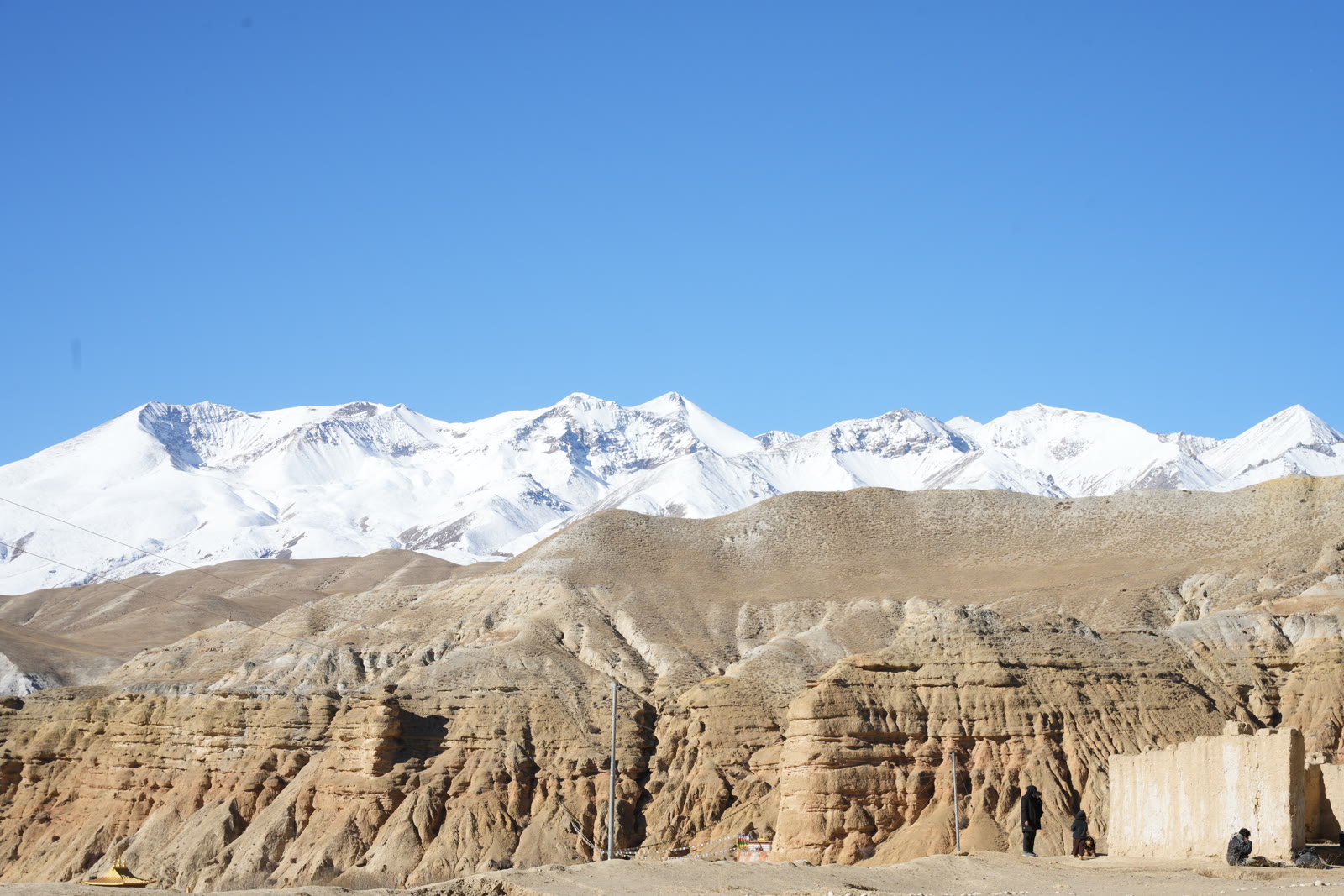
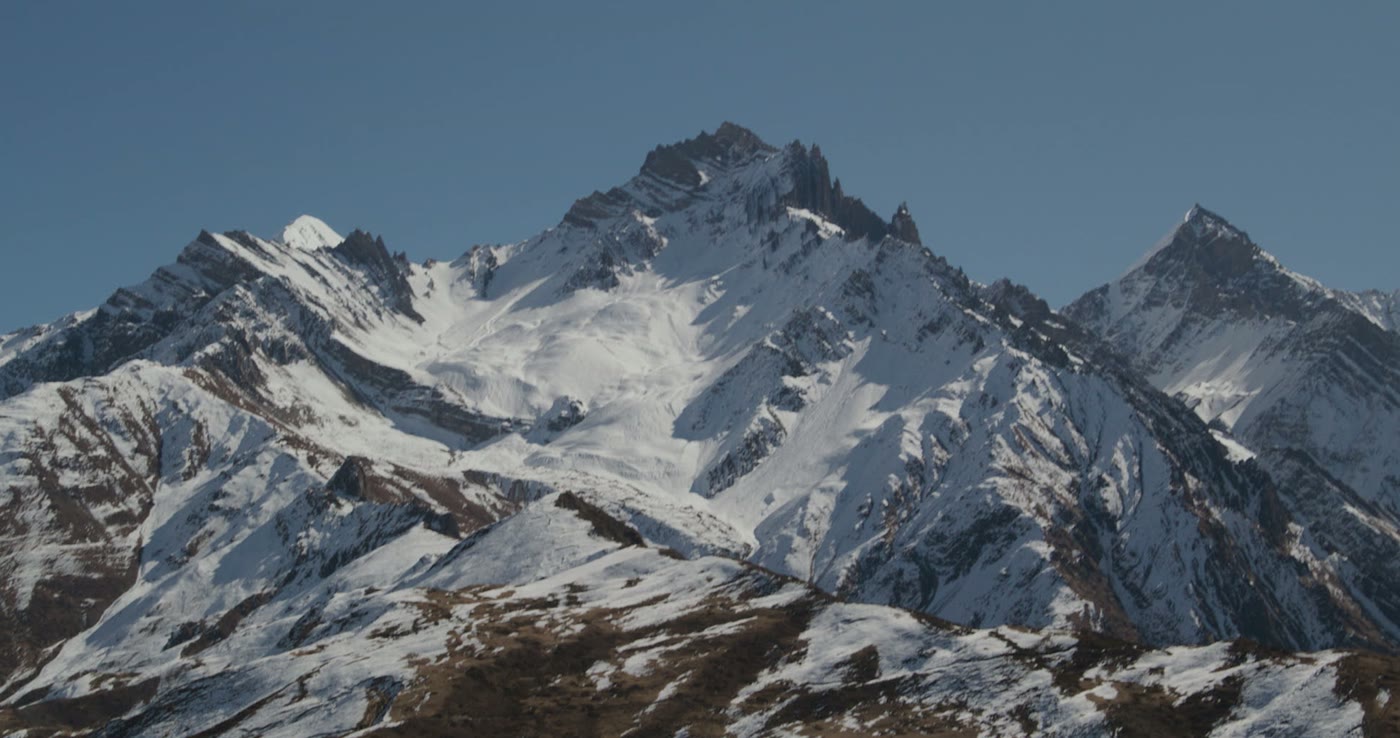
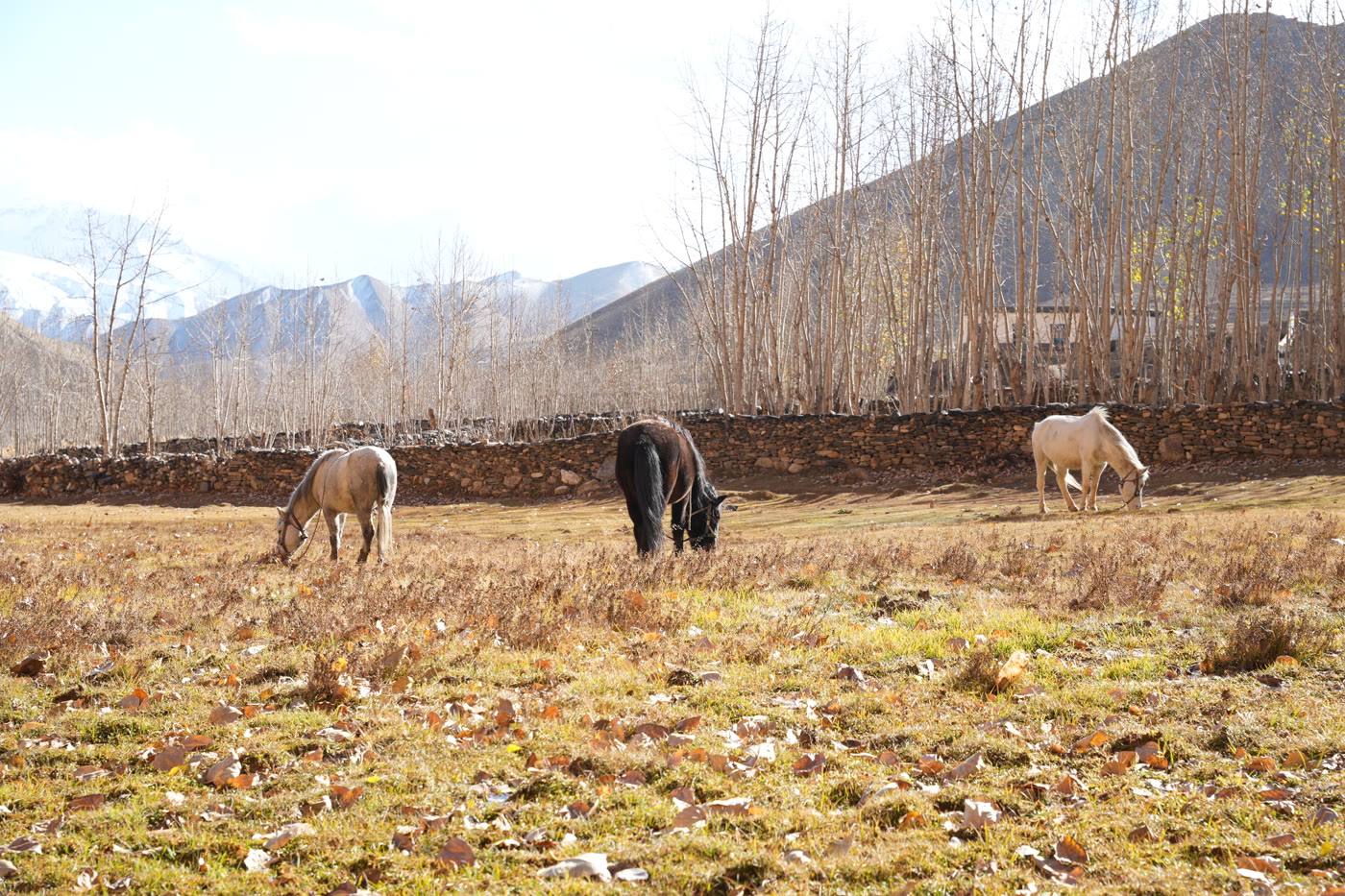
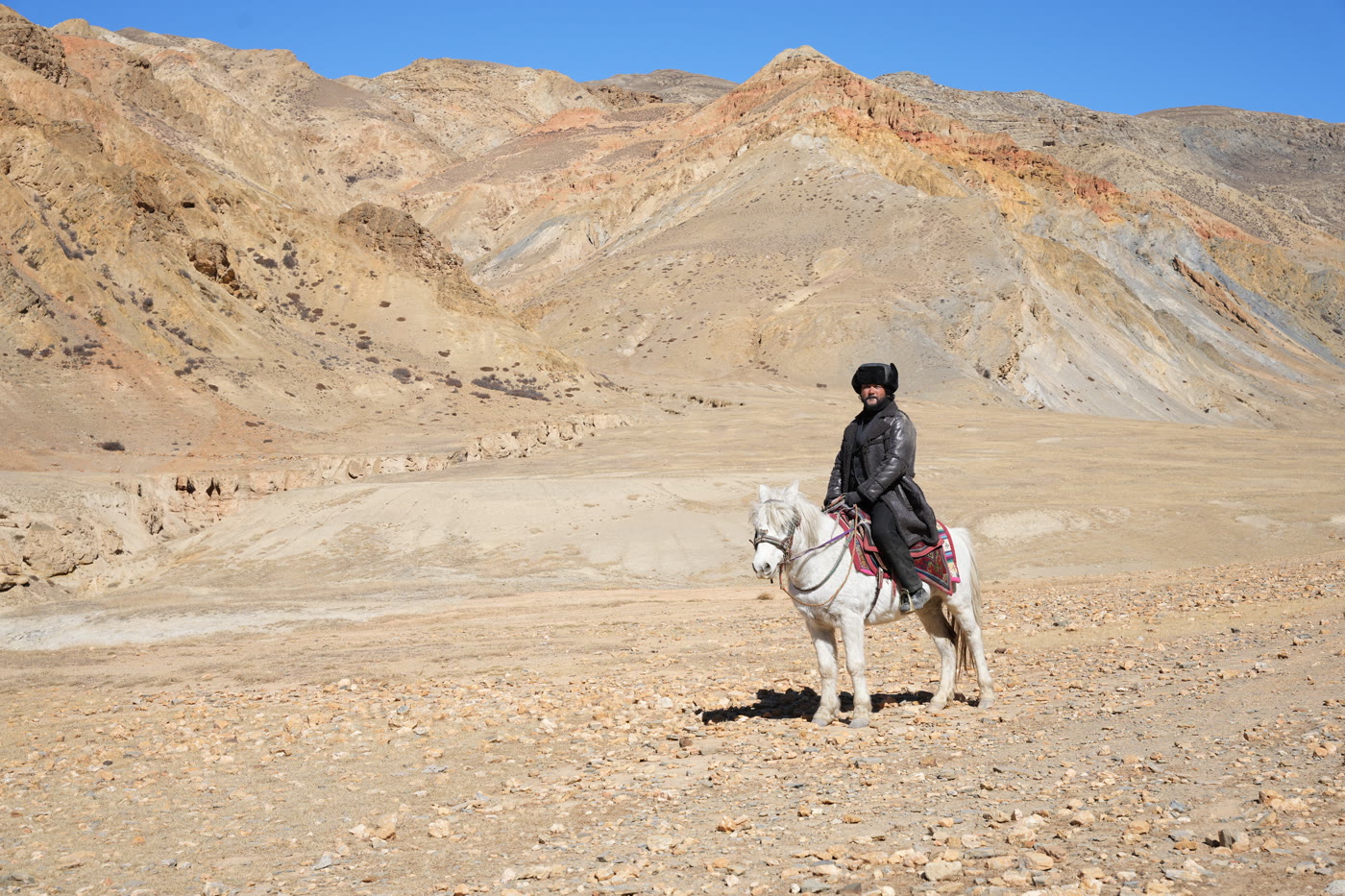
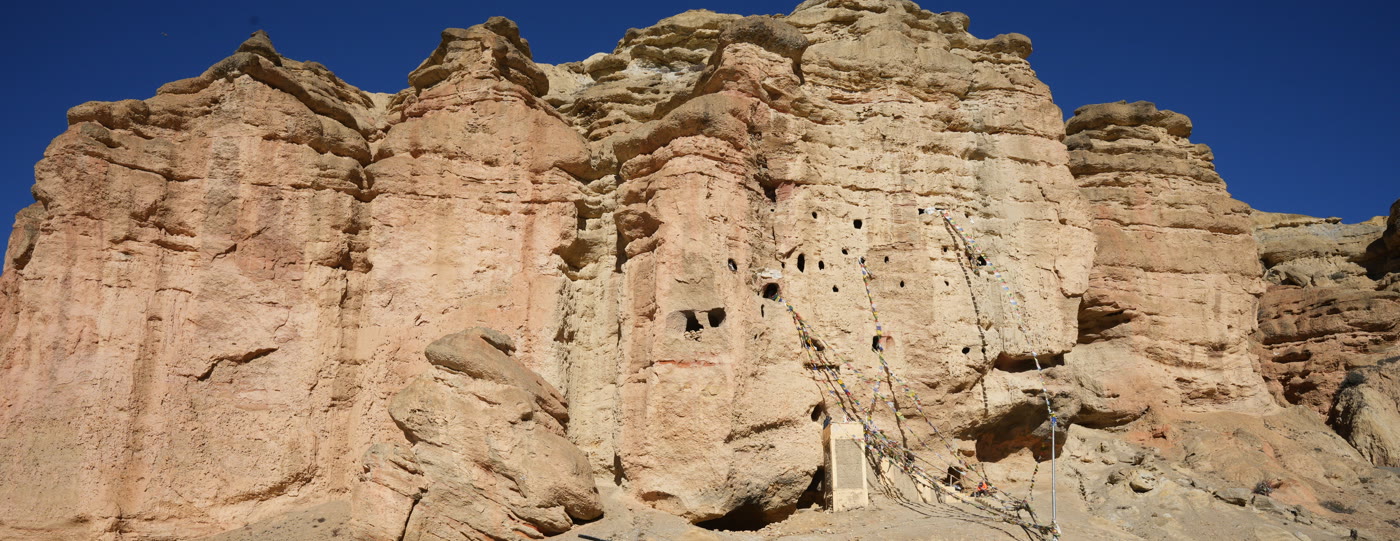
The landscape is the trap.
Visual Language & ToneA character-driven approach
Camera Approach
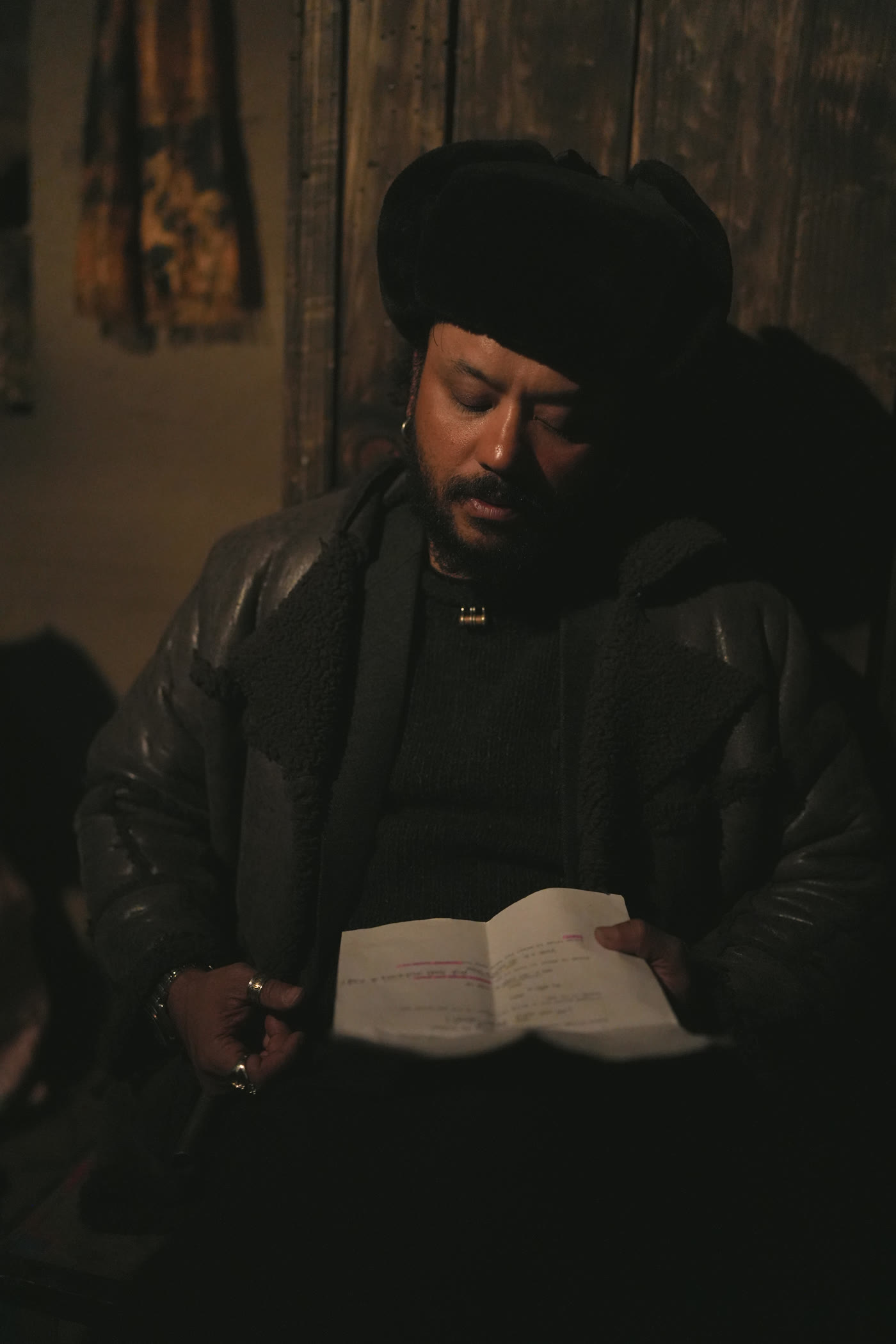
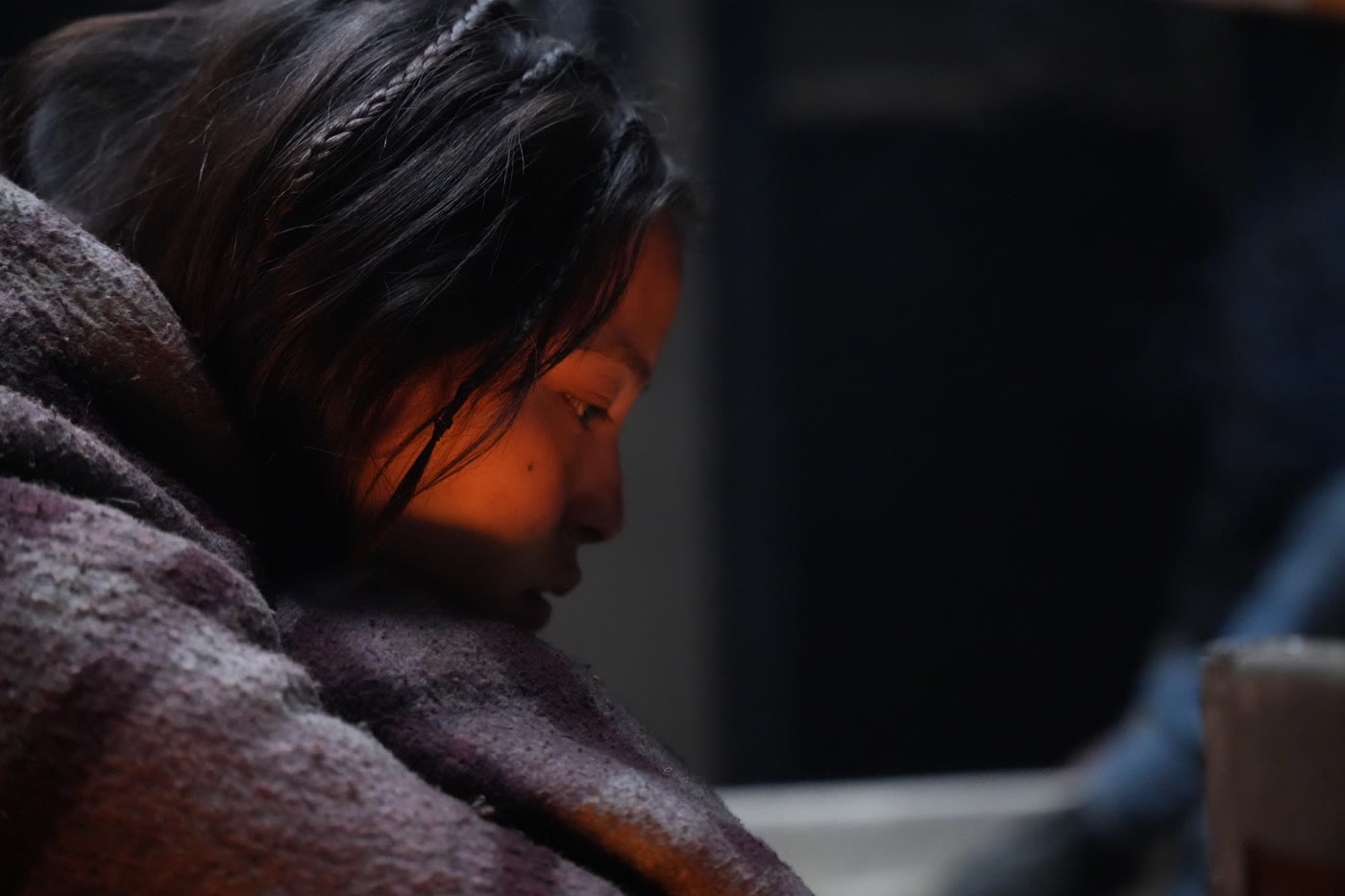
I wanted the camera to feel almost invisible, never allowing its technical presence to come in the way of the story. Himalayan Gold is deeply character-driven, and my intent was to travel alongside the characters with sincerity, observing rather than imposing. Operating with empathy, becoming a quiet participant in their journey, responding to their emotional shifts without drawing attention to itself.
Vashistha Pradhan, Director of Photography
Texture
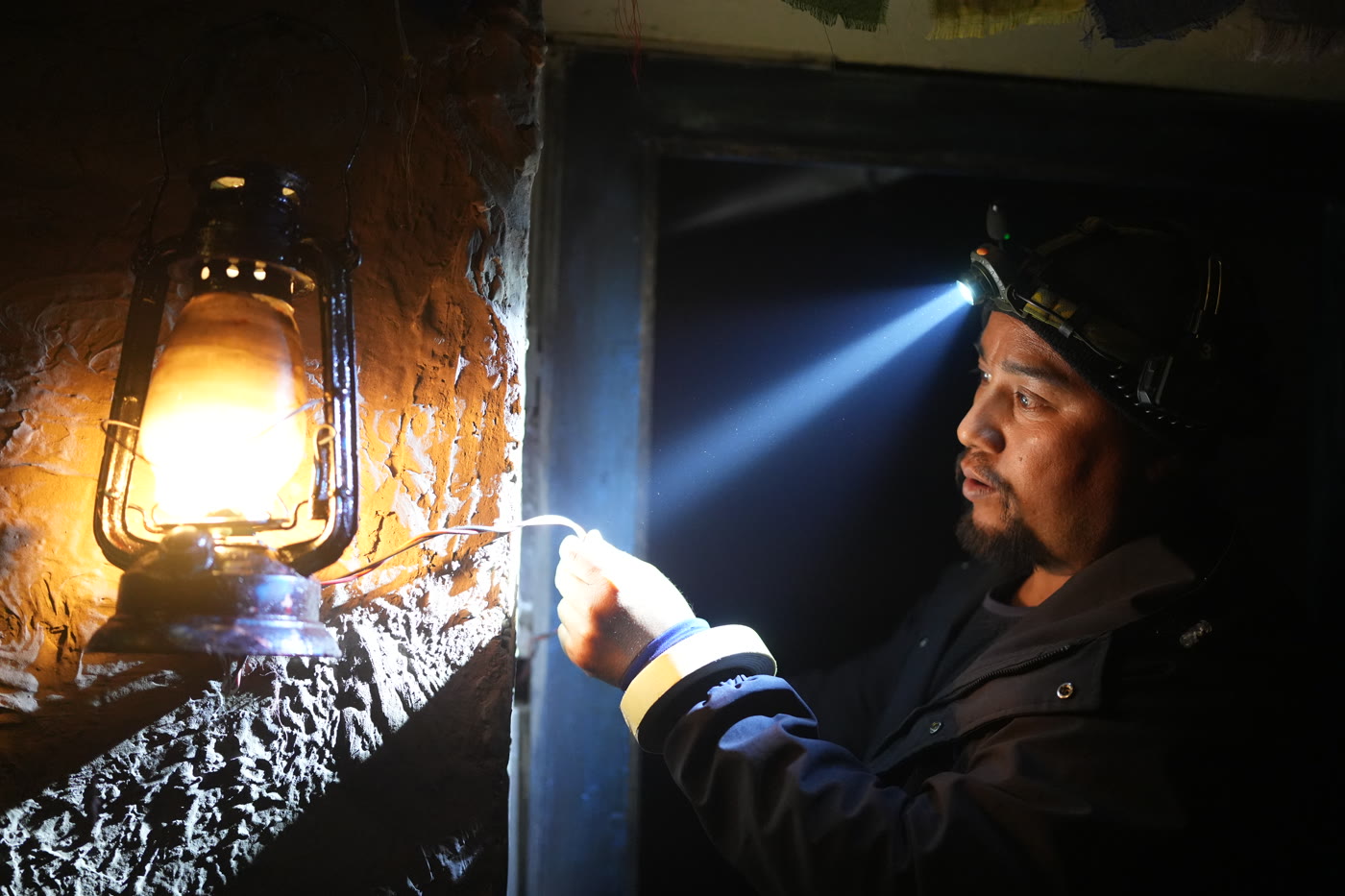
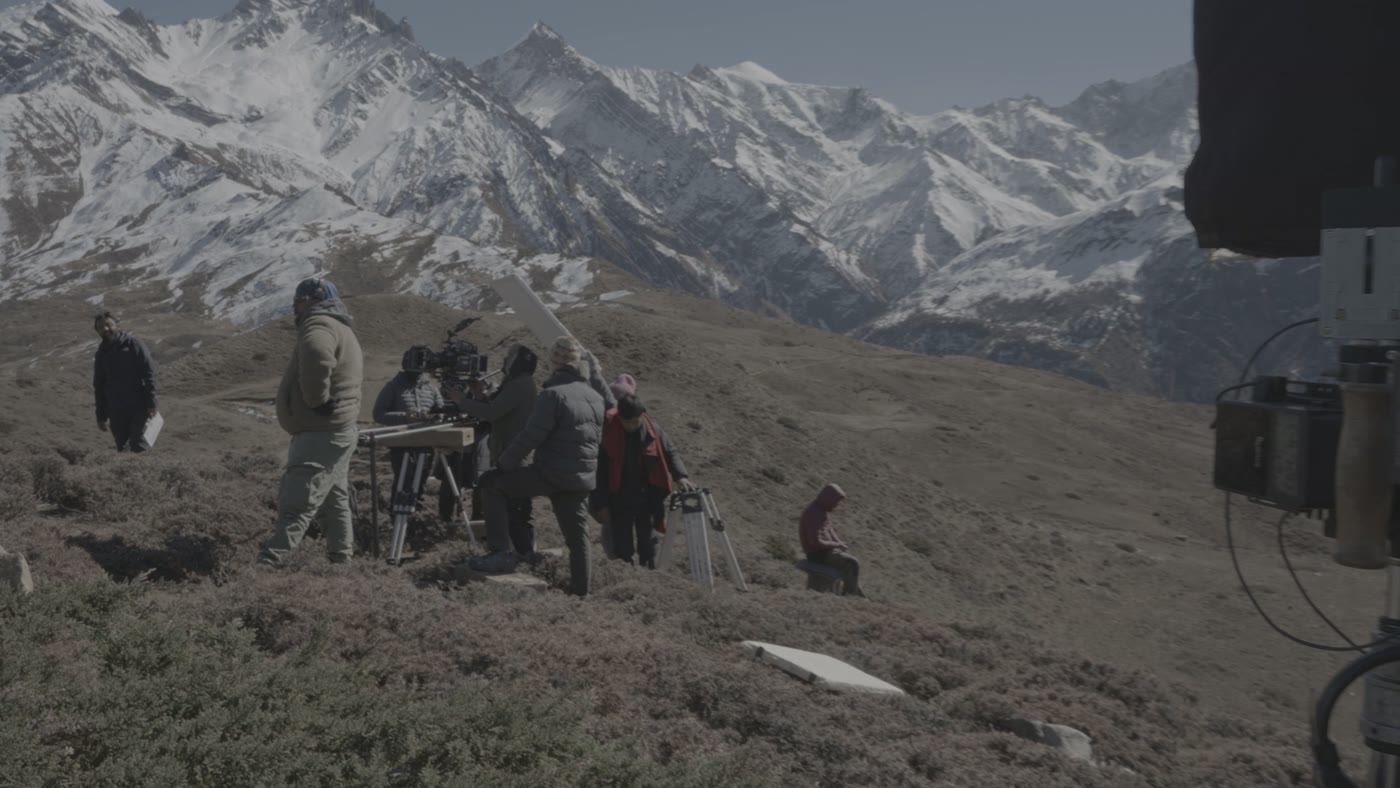
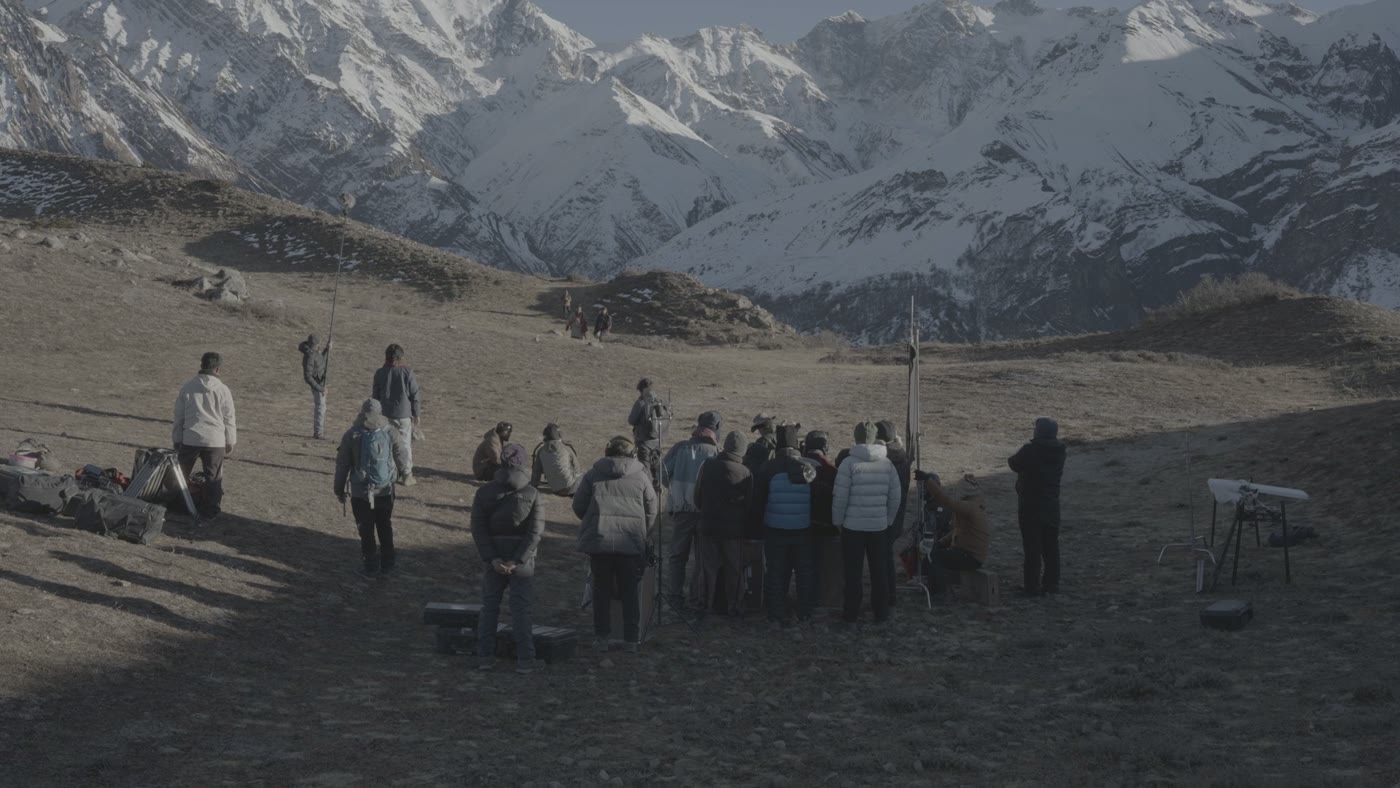
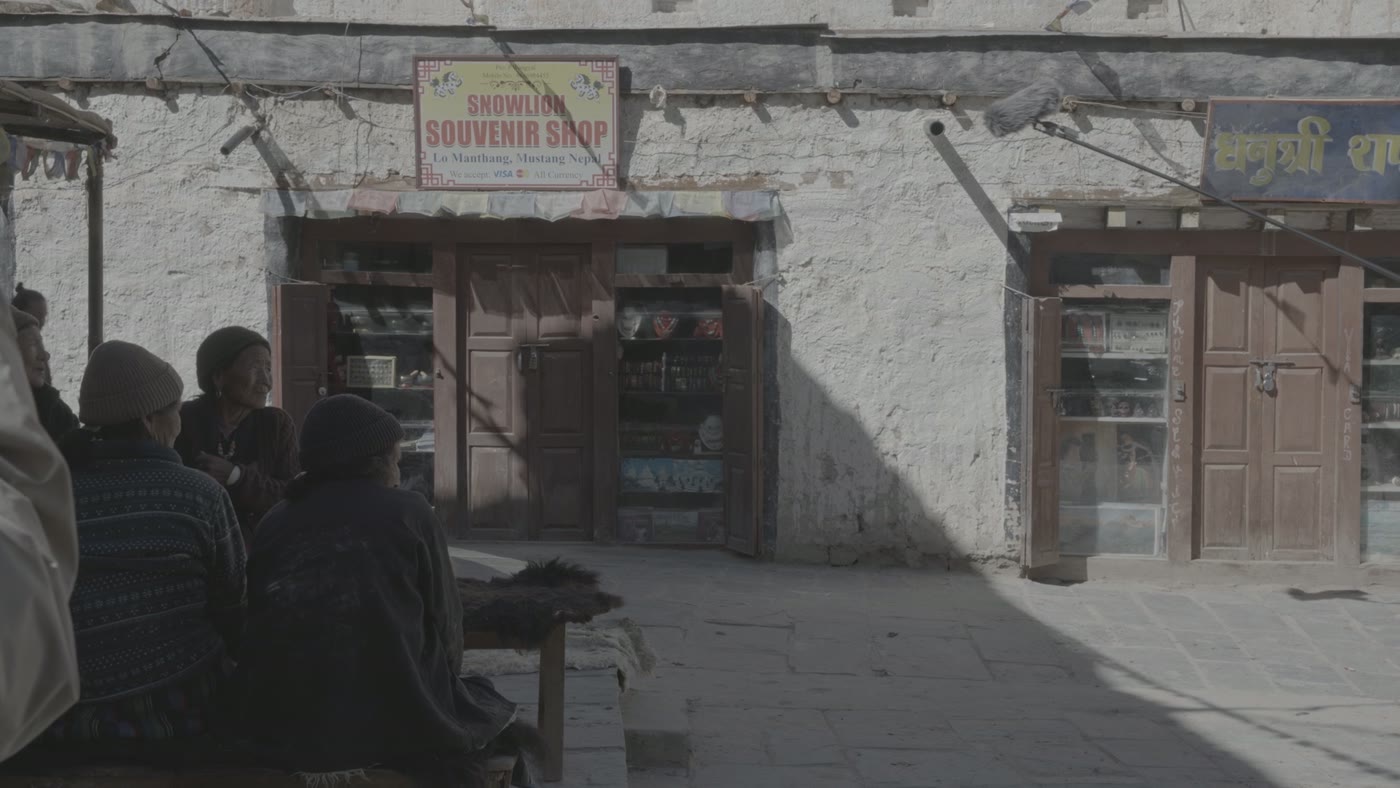
Much of Himalayan Gold was filmed at high altitudes between 3,800 and 4,400 meters, across constantly changing weather, relying primarily on natural light. These conditions gave the images a raw, tactile quality that could not be manufactured. The vast scale of the landscapes created a powerful contrast when framing characters immersed in their own internal struggles while navigating physically demanding terrain. This interplay between the enormity of the environment and the intimacy of human experience became central to the film's visual texture.
Rhythm
The rhythm of the imagery was designed to support the drama driven by heightened performances, emotion, and moments of action. We allowed scenes to settle into stillness when the emotional weight needed space, and to get a peek into the character's psyche. As tension and action emerged, the visual pace tightened through more immediate framing and deliberate movement, reflecting the rising intensity of the performances.
Context & Global Reference
A local story, globally legible.
Context: High-altitude reality
In the high-altitude wilderness, the law is a distant memory and survival is a daily gamble. The narrative is rooted in the "Himalayan Gold" rush, where the extreme market value of Yarsagumba creates a desperate, seasonal economy. In this isolated landscape, the promise of wealth distorts human nature, transforming a remote harvest into a brutal struggle for survival where the mountains offer no mercy and the state offers no protection.
Global Relevance: Human stakes
While set against the high-stakes "Himalayan Gold" rush, the film explores a universal shadow: the desperation triggered when a single commodity is worth more than a human life. It strips away the safety of modern civilization to examine what remains of morality when witnesses are gone and exits are blocked. This is not just a Nepali story, but a primal analysis of human behavior under extreme scarcity. Ultimately, it asks the global question: who do we become when the environment removes our comfort and our conscience?
Director's Statement
A deeply emotional journey that reflects raw human instincts in the face of adversity.
Director's Statement
Dhiraaj Rajbanshi

In Himalayan Gold, I seek the opportunity to present something fresh and new to the world, something no one has showcased before. I want to capture the untamed beauty of Nepal's high-altitude landscapes while delivering a gripping story of resilience and vengeance. The lifestyle of Yarsagumba harvesters, the sheer struggle of survival in the Himalayas, and the weight of greed and desperation are themes that have not been explored in global cinema.
This is more than just an action thriller; it is a deeply emotional journey that reflects raw human instincts in the face of adversity. My vision is to craft a film that not only tells a compelling story but also establishes my voice as a filmmaker on the international stage.
On Set
Behind the scenes.
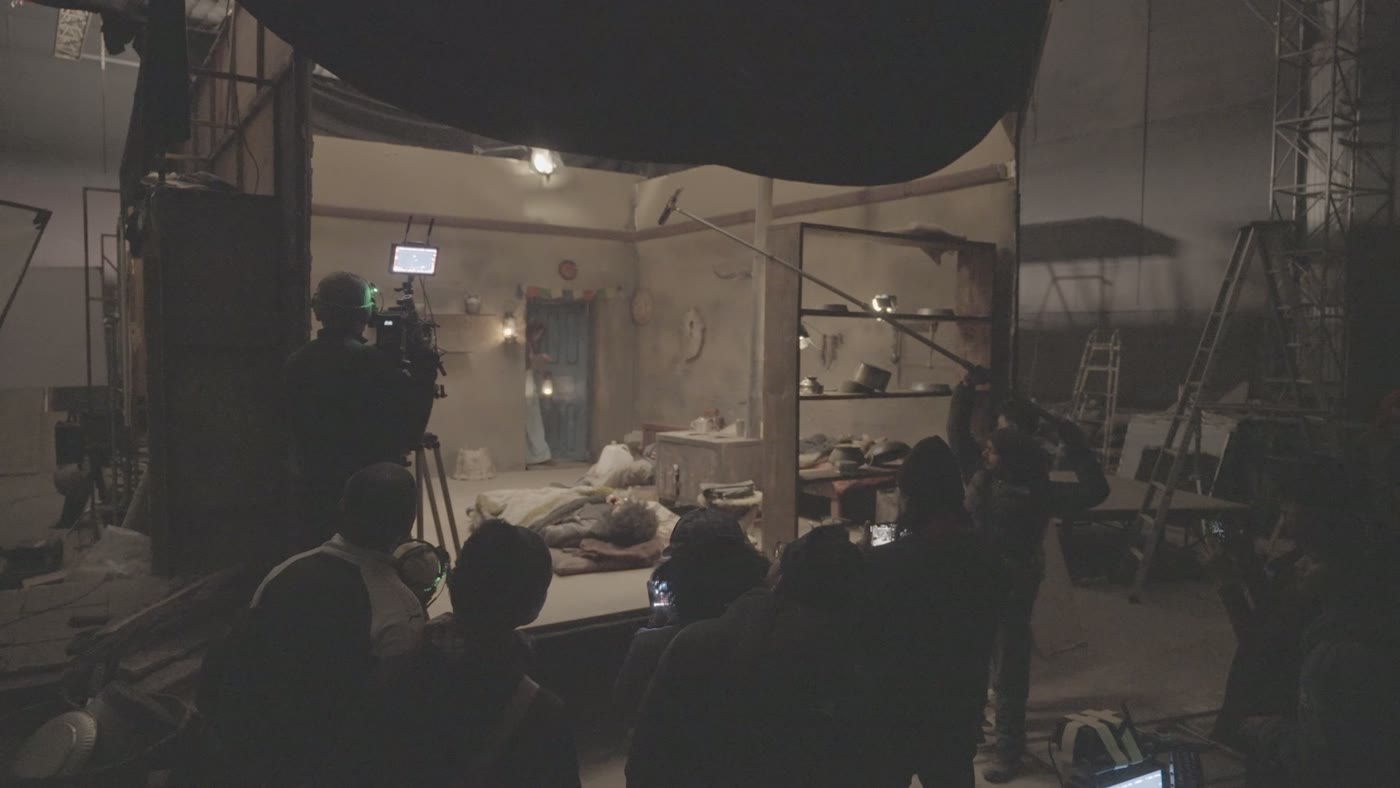
Shot on location in the Nepali Himalaya and on a purpose-built interior set.
Cast
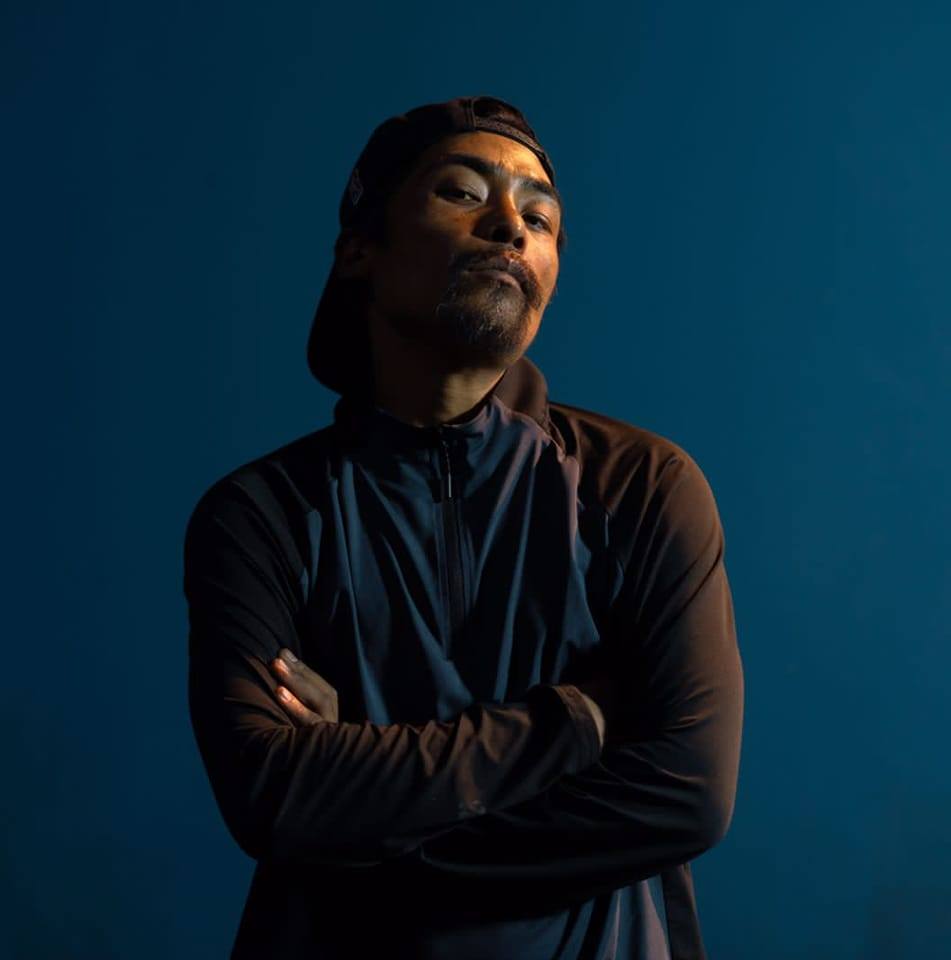
The ensemble.



Credits
Himalayan Gold
Written and Directed by
Dhiraaj Rajbanshi
Screenplay by
Dhiraaj Rajbanshi & Deependra Gauchan
Produced by
Min Bahadur Bham · Dhiraaj Rajbanshi
Executive Producer
Raju Rajbanshi
Director of Photography
Vashistha Pradhan
Edited by
Nimesh Shrestha
A Production of
White Elephant Motion Pictures
Status
The film is complete.
Current Stage
Post-production complete. The finished film is ready for festival premieres and market screenings.
What We're Seeking
We are now approaching the 2026 international festival circuit and seeking international sales agents, distributors, and marketing partners.
Screeners of the completed film and look-books are available for festival programmers, sales agents, and distributors on request.
Press & Industry
For programmers, sales agents & press.
Full assets are shared selectively on request.
Electronic Press Kit
EPK (PDF)
Request now → High-ResolutionPress Stills (ZIP)
Request now → On RequestScreener
Request now →Contact
Let's talk.
For collaborations, festival discussions, and partnerships, reach the team directly.
Get in touch
d.rajbanshi@lafilm.edu
- Response window: typically within 48 business hours.
- Please include your organization and intent in your message.
Message received
Thank you for reaching out. Your message has been recorded — the team will be in touch soon.